
CoCreating
For Emergence
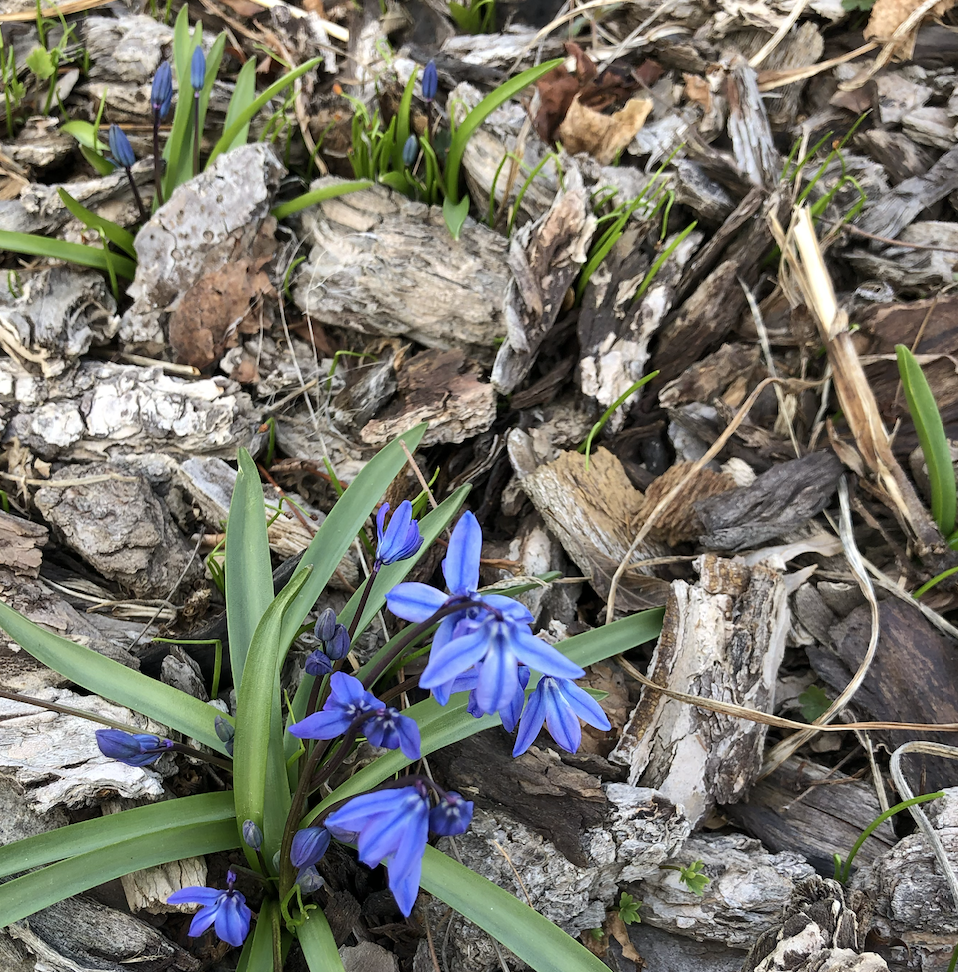
In order for a plant to thrive, it has to belong to an ecosystem.
Equiterra is designing an ecosystem where humans can create sustainable, values-aligned movements, organizations and structures, with longevity in mind.
Equiterra is a CoCreative Leadership Pilot Program.
We provide cooperative architecture and creative collaboration frameworks to enable conscious orgs and individuals to engage in building equitable, self-organizing movements; supporting systems of dynamism and resilience.
The best part? It’s customized based on the experiencers (you?), focusing on - and solving for - organizational and interpersonal needs.
Read our article, “Designing Orgs for Equity,” to learn more about the importance of investing in the complexity of collective care skill building.
Frequently Asked Questions
-
CoCreative Leadership programming + skill building which enhances our ability to collaborate so that we are more likely to succeed when we are part of a group than we are when we are trying to create individually.
-
Apply through our website to join us for our pilot program; aiming for a Late Spring of 2026 launch.
-
CoCreative equitable organizing requires us to come together, to create. In this format, we are all teachers - as well as students. We intend committed collaboration within the program in the same ways people experience it IRL, encouraging constructive conflict, diversity of thought and embracing of ambiguity.
-
You can reach us via our application process or via email. Please contact Marley at marley@equiterra.one or call her at 312.823.2532. No other solicitation, pls.
-
Equiterra is a 12-week program, 2 hrs. per week, virtually on zoom - with an incredible amount of prep due designing for needs. We offer flexible pricing to support accessibility. The program is a suggested investment of $1,000 per person - and we are actively engaging in grant applications to provide scholarships for the program.
-
It’s collaborative, honest, empathetic, creative and intentional. We're here to CoCreate with you. It is our commitment that we hold a safe, sacred space, a conscious container, gently guiding the process while flowing with the fluidity of what emerges that is best for our collective learning, skill-building evolution.


We Do The Inner Work, Too.
Self-alignment is an important part of CoCreation.
Equiterra intentionally incorporates inner transformation work, meditation, shadow work and ritual into our programming, looking at the whole person(s), present, a part of the dynamism of the whole.
We respect the unseen forces of mother nature and spirit and act with respect for all parts, with a commitment to right relationship + reciprocity.

CoCreative, Equitable Success Stories
〰️
CoCreative, Equitable Success Stories 〰️
Examples of CoCreative Communities, Concepts + Economies Succeeding in Emergent Design and Intentional Collaboration (Inspired by unlearning via re(biz), RegenIntel + LIFT Economy):
Alaska's Community Supported Fisheries (CSF): In coastal communities of Alaska, CSF programs connect local fishermen directly with consumers, emphasizing sustainable fishing practices and ensuring that local food reaches the community.
Barcelona’s Degrowth (Spain): Establishing itself as a leading European hub for the degrowth movement, Barcelona has focused on curbing mass tourism, establishing urban commoning, and prioritizing ecological research. The city's approach is characterized by a blend of academic, grassroots, and political efforts aimed at reducing material and energy consumption while prioritizing social well-being.
Bavarian Economic Model (Germany): In regions like Bavaria, local cooperatives and small businesses play a significant role in the economy. The focus is on localized food production, artisanal goods, and a strong sense of community interconnectedness.
Bioregionalism (Global): An environmental philosophy and social movement advocating for political, economic, and cultural systems based on naturally defined, local areas called "bioregions" (i.e., watersheds and/or ecosystems) rather than politically defined boundaries. It emphasizes locality, living sustainably within the carrying capacity of a place, fostering "reinhabitation" or becoming intentionally native to a place, and cultivating local self-sufficiency and regenerative food systems to restore ecological health and sustained community resilience.
Bhutan's Gross National Happiness Index: Bhutan's approach emphasizes sustainable development and local economies that prioritize community well-being, ecological health, and self-reliance, promoting localized production and consumption.
Community Land Trusts (CLTs): Community Land Trusts are non-profit organizations that acquire land to provide permanently affordable housing and community assets, often using a 99-year ground lease. By separating land ownership from the home, CLTs reduce purchase prices for lower-income residents while ensuring long-term affordability and preventing displacement.
Cooper Square Committee (NYC, USA): The Cooper Square Committee’s mission is to work with area residents to contribute to the preservation and development of affordable, environmentally healthy housing and community/cultural spaces so that the Cooper Square area remains racially, economically and culturally diverse.
Cuba's Urban Agriculture: Following the collapse of the Soviet Union, Cuba developed an extensive urban agriculture system focused on localized food production. Community gardens and organic farming have become vital for food security in urban areas and support local resilience.
Degrowth, Post-Growth, Wellbeing Economy (Global): An academic, political, and social movement advocating for a planned, democratic reduction of energy and material consumption in high-income nations to achieve ecological sustainability and social justice. It challenges the pursuit of GDP growth as a primary goal, proposing instead to prioritize human well-being, ecological restoration, and a more equitable distribution of resources.
Ecovillage Movement (Global): Various ecovillages around the world (in Findhorn, Scotland; Auroville, India; and The Farm, USA) focus on self-sustaining communities that prioritize local production, cooperative living, and ecological sustainability.
Emilia-Romagna Cooperatives (Italy): The Emilia-Romagna region in Northern Italy boasts one of the world's most successful, dense, and interconnected cooperative networks, with over 8,000 cooperatives contributing to one-third of the regional GDP. This ecosystem combines worker, consumer, and producer cooperatives—to drive high-value manufacturing (e.g., machinery, food) and social services. Long-standing politically aligned federations—The Lega (Socialist), Confcoop (Catholic), and Agci (Republican)—support the sector, which benefits from strong regional policies, social, and financial backing.

Evergreen Cooperatives (Cleveland, Ohio, USA): Launched by Cleveland-based institutions with a focus on economic inclusion to foster long-term community development, Evergreen Cooperatives initiatives to revitalize low-to-medium income neighborhoods through employee ownership has drawn national and international media attention and wide interest from economic development experts.
Finland’s Public Policy and “Social Safety Net:” Ranked the world's happiest country for the eighth consecutive year in 2025’s World Happiness Report, this sustained ranking is driven by high levels of trust in institutions, a strong social welfare system, personal freedom, and a, high quality of life. This is achieved through a “robust social safety net,” which includes: universal, extensive tax-funded services such as comprehensive free healthcare, education from preschool to university, generous paid parental leave (14 months), robust unemployment benefits and pensions. It emphasizes egalitarianism, supporting families with housing allowances and childcare services.
Miyamoto Economy (Japan): In regions like Miyamoto, communities emphasize local agriculture, traditional crafts, and small-scale production. This model promotes resilience through localized food systems and sustainable practices.
Mondragon Cooperative Corporation (Spain): Mondragon Corporation, headquartered in the Basque region of Spain, is the world's largest federation of worker cooperatives, employing over 70,000 people globally. Founded in 1956, it operates as a cooperative, with employees acting as owner-members who share in profits. The corporation spans four main sectors: finance (e.g., Laboral Kutxa), industry (e.g., automotive, components), retail (e.g., Eroski), and knowledge (e.g., Mondragon University).
Portland's Local Food Economy (Oregon, USA): Portland, Oregon, has a thriving local food movement that encourages farmers' markets, community-supported agriculture, and a network of local businesses committed to sustainable practices.
Scotland’s Community Wealth Building Bill: To tackle the climate and cost of living crises, Community Wealth Building (CWB) is at the heart of Scotland’s plans for economic system change and the building of a more economically and socially just nation. The CWB is a key to realizing the Scottish Government’s vision of “a society that is thriving across economic, social and environmental dimensions, one that delivers prosperity for all of Scotland’s people and places”. The CWB is a strategic framework for systems change that “can amplify impact and create a lasting transformation in how Scotland’s economy operates, ensuring the benefits reach local areas and regions, and future generations.”
Time Banks (Various, Global): Various time banking systems, such as those in the UK and the USA, encourage local economies where people exchange services based on time rather than money. This fosters community connections and promotes localized economies.
Transition Towns Movement (UK, Grassroots): This grassroots movement, which began in Totnes, England, encourages communities to become more self-reliant through local food production, renewable energy, and sustainable living practices.
Wellbeing Economy (Global): In such an economy, businesses, governments, and citizens strive to contribute to human and ecological wellbeing not as a nice-to-have, but above all else. The well-being paradigm proposes a holistic definition of success. Rather than centering solely on growth, it considers multiple indicators, such as environmental health, social equity, and community resilience, on top of financial performance.
Venice's Local Food Systems (Italy): Venice has developed a strong emphasis on local production through its farmers' markets, small-scale food producers, and community-supported agriculture (CSA) programs, ensuring a high degree of interconnectedness between producers and consumers.